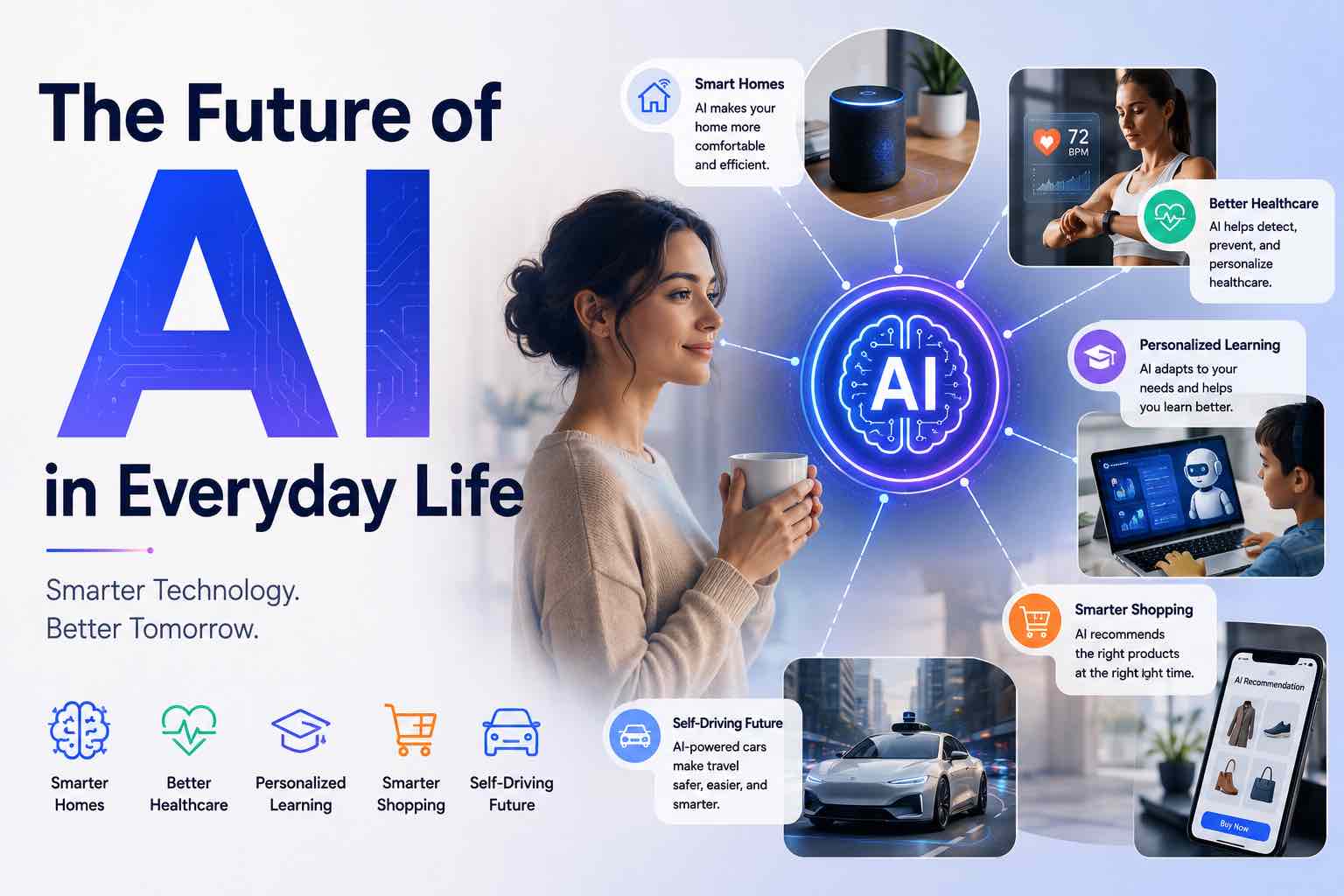
The Future of AI in Everyday Life (2026 Reality Check)
How AI will show up in everyday life — home, work, learning, health, and money — what’s already here, what’s coming next, and how to prepare without the hype.
The future of AI in everyday life will not look like a movie robot butler. It will look like smaller frictions disappearing: drafting a reply, summarizing a meeting, planning a study session, checking a photo before you post, or getting a clearer explanation when you are stuck.
This AutoThinkers trend guide separates what is already normal in 2026 from what is still hype — and what to practice now so you stay in control.
The big shift: AI becomes invisible infrastructure
Early AI felt like a destination (“open ChatGPT”). The next phase is ambient assistance:
- Suggestions inside the apps you already use
- Summaries attached to meetings and inboxes
- Drafts you edit, not essays you paste blindly
- Tools that remember your preferences (with permission)
The winners will not be people who “know every model.” They will be people who can direct, verify, and decide.
Where AI is already part of daily life
| Area | Everyday example | Human still owns |
|---|---|---|
| Communication | Email/reply drafts, translation | Tone, promises, relationships |
| Work | Meeting notes, outlines, code help | Judgment, priorities, accountability |
| Learning | Tutors, quizzes, revision plans | Understanding, academic integrity |
| Creativity | Image/video drafts, brainstorming | Taste, brand, final edit |
| Shopping & search | Recommendations, comparison assist | Budget and trust decisions |
| Accessibility | Captions, read-aloud, simplify text | Consent and context |
If you want practical stacks for today, start with Best AI Productivity Tools and ChatGPT vs Claude vs Gemini.
What’s next (near future, not sci-fi)
1) Personal AI that knows your context
Expect tighter links between notes, calendar, and chat — with clearer permission controls. The useful version helps you prepare for your meeting, not a generic one.
2) Agents that do multi-step chores
“Book-ish” agents will handle sequences: research → draft → checklist → reminder. Most will still need a human approval gate for anything external (payments, emails, posts).
3) On-device + private modes
More phones and laptops will run smaller models locally for speed and privacy. Cloud models stay stronger for hard reasoning; local models win for quick private tasks.
4) AI in schools and workplaces as policy, not novelty
Institutions will keep tightening rules: when AI is allowed, what must be disclosed, and what counts as your own work. Students should build honest study habits now — see AI for Students.
5) Creative tools as default production layer
Image, audio, and video generation become normal first drafts. Editors and taste matter more, not less — see Best AI Image Generators.
What will not magically disappear
- Bad processes (AI accelerates chaos too)
- Need for fact-checking
- Responsibility when something ships wrong
- Soft skills: negotiation, care, leadership, craft
- Energy, attention, and sleep as performance limits
AutoThinkers’ stance stays the same: automate the shallow so judgment can stay expensive.
Everyday life scenarios in 2026–2028
Morning
- Calendar brief: “Three priorities, two risks, one decision needed”
- Commute learning: 8-minute recap of yesterday’s notes
- Inbox triage: draft replies ranked by urgency
Workday
- Meeting → actions in your task app
- First-draft docs and visuals in minutes
- SOP updates from how the team actually works
Evening / home
- Meal planning from what’s in the fridge photo
- Family logistics (travel, school, bills) summarized
- Hobby coaching: music practice, fitness form tips, language drills
None of this requires believing AI is “conscious.” It requires treating AI like a sharp intern: fast, useful, occasionally wrong.
How to prepare (practical, not paranoid)
- Pick one primary assistant and learn real prompts (Prompt Craft Tutorial)
- Build a weekly review — what AI saved, what it broke
- Write your personal rules: what never gets pasted into tools (passwords, medical files, client secrets)
- Practice verification: numbers, names, legal/health claims
- Keep a human skill edge: explanation, taste, relationships, systems thinking
Small businesses can turn this into ops habits with AI for Small Business and How Small Businesses Can Use ChatGPT.
Risks worth watching
- Over-trust: fluent answers that are wrong
- Privacy drift: convenience over consent
- Skill atrophy: never practicing the craft you supervise
- Homogenized culture: everything sounding/looking the same
- Scams: AI-generated voice/video impersonation
The antidote is boring: permissions, verification, and keeping final say.
A simple personal AI policy (copy this)
I use AI to draft, summarize, and explore — not to decide in secret.
I verify facts before I publish, send, or submit.
I never paste passwords, full identity documents, or confidential client data
into tools that are not approved for that data.
If I can’t explain the output, I don’t ship it.
Closing checklist
- One everyday AI use case chosen (email, study, or meetings)
- One primary model selected
- Personal data rules written
- Weekly 15-minute AI review on the calendar
- One skill you still practice without AI
The future of AI in everyday life belongs to people who stay curious and careful — using machines for leverage while keeping ownership of the decisions that matter.
Related Articles
Keep exploring on AutoThinkers — these guides pair well with this one:
- Best AI Productivity Tools in 2026 (Practical Stack That Saves Hours)
- ChatGPT vs Claude vs Gemini: Which AI Should You Use in 2026?
- AI for Students: How to Study Smarter with ChatGPT, Claude & Free AI Tools (2026 Guide)
- Best AI Image Generators in 2026 (Practical Creator Guide)
- The Practical AI Toolkit for Solo Operators (2026)
- Prompt Craft Tutorial: Write AI Prompts That Survive Real Work
- AI for Small Business: A Practical Playbook That Pays for Itself
- The Attention Budget: Why Deep Thinkers Treat Focus Like Capital
- Tutorial: Build an AI Content Workflow in 60 Minutes
- AI Time Management Apps in 2026 (What Actually Saves Your Week)
Keep exploring
Related Articles
Continue with 8 closely related AutoThinkers guides — more tutorials to deepen your AI workflow.
Tutorials
6 min read
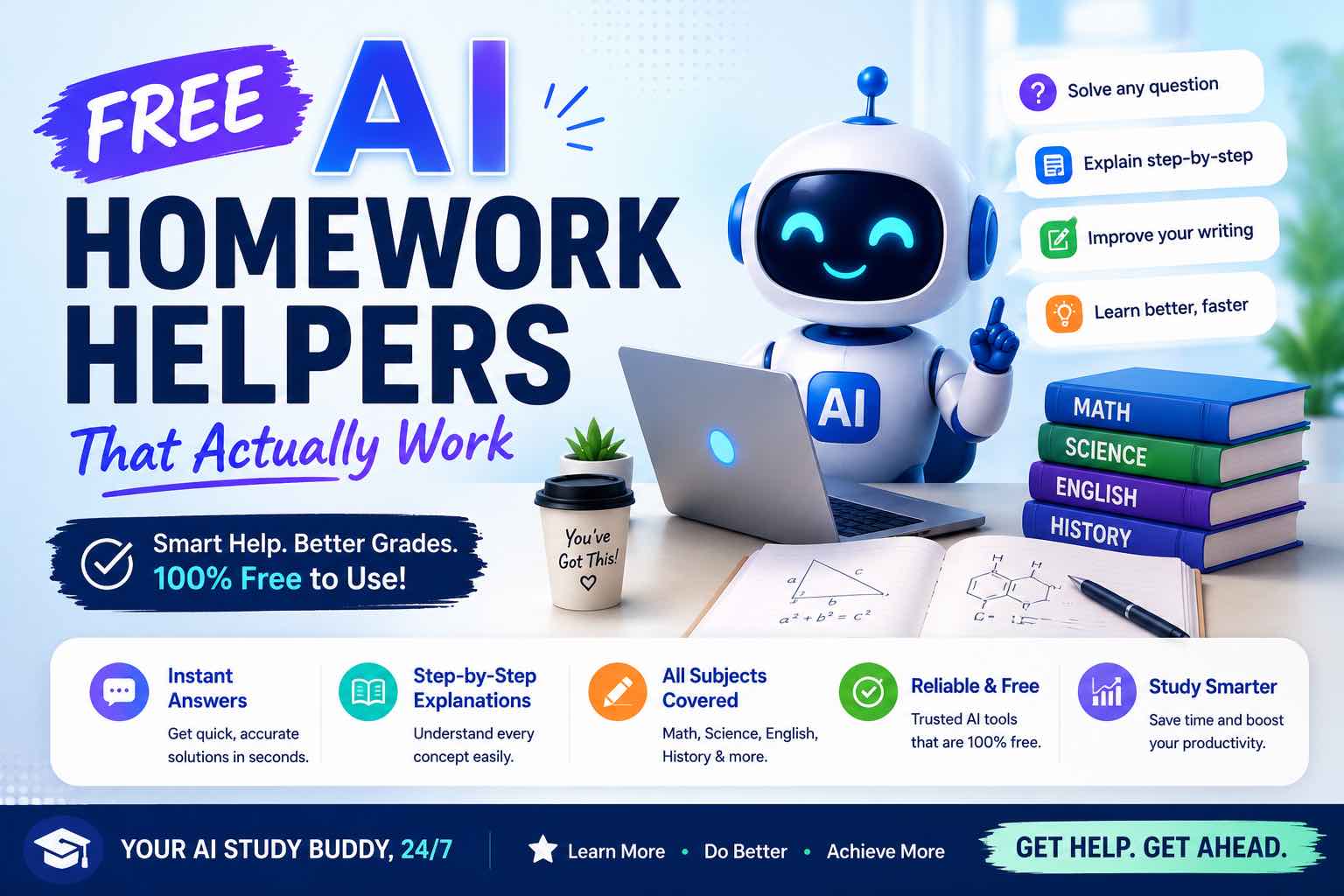
Free AI Homework Helpers That Actually Work (2026 Student Guide)
Free AI homework helpers that actually help you learn — ChatGPT, Claude, Gemini, Photomath-style tools, and study workflows — plus academic integrity rules.
Workflows
6 min read
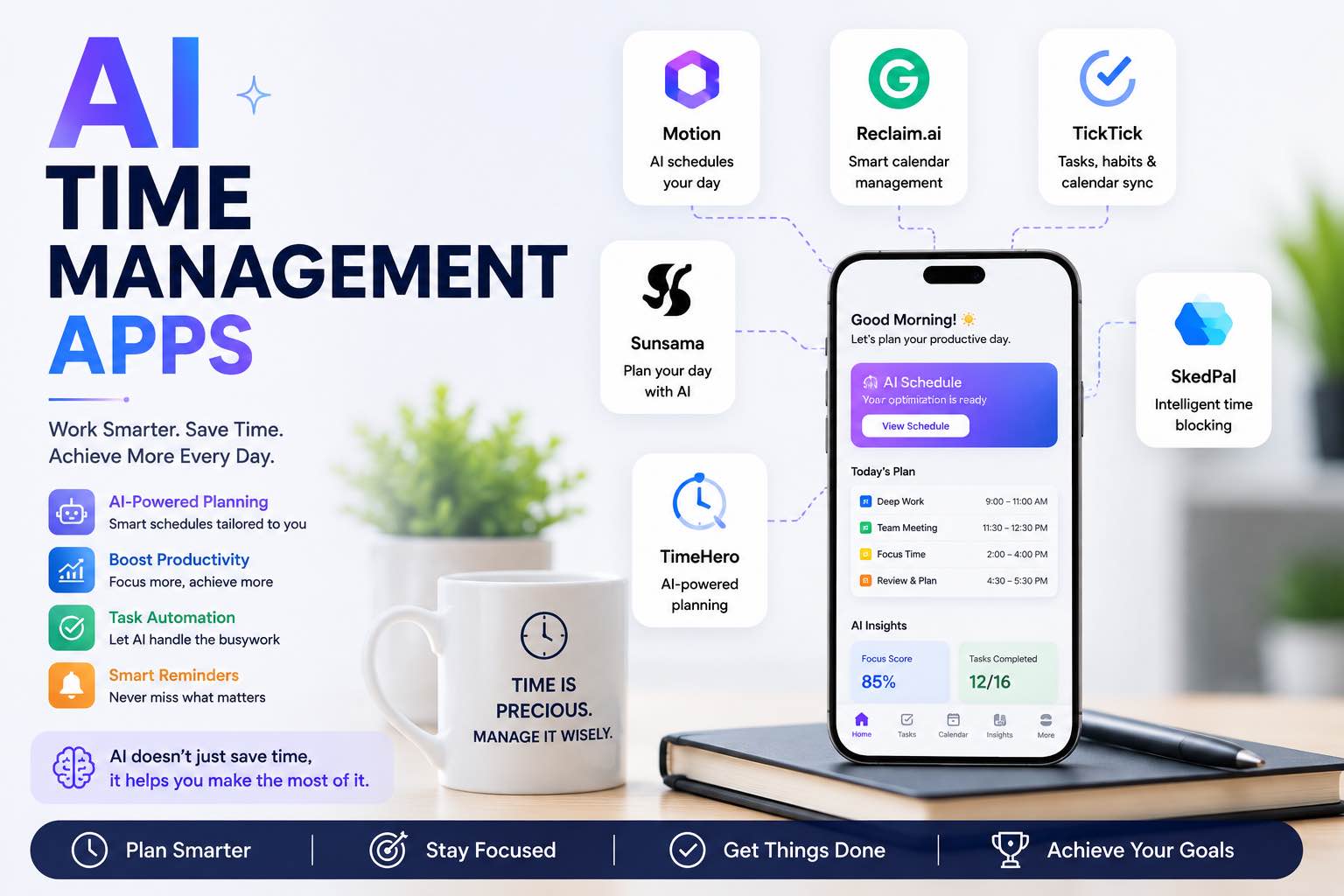
AI Time Management Apps in 2026 (What Actually Saves Your Week)
The best AI time management apps for 2026 — planning, focus, meetings, and task triage — plus a simple system you can run without tool overload.
AI Tools
5 min read
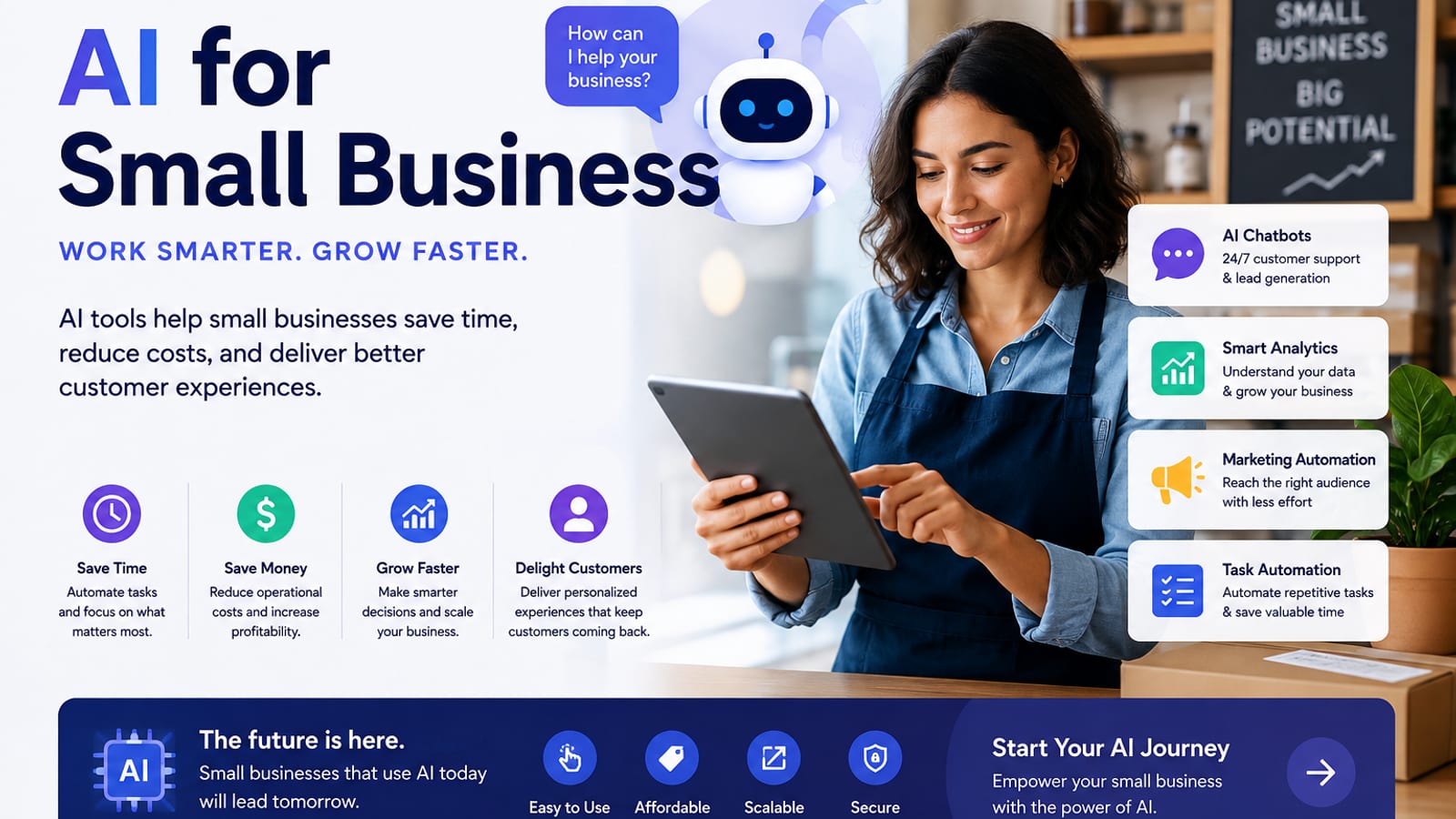
How Small Businesses Can Use ChatGPT (Practical 2026 Guide)
How small businesses can use ChatGPT for customer replies, marketing drafts, SOPs, and admin work — with copy-paste prompts and a safe weekly workflow.
Tutorials
7 min read
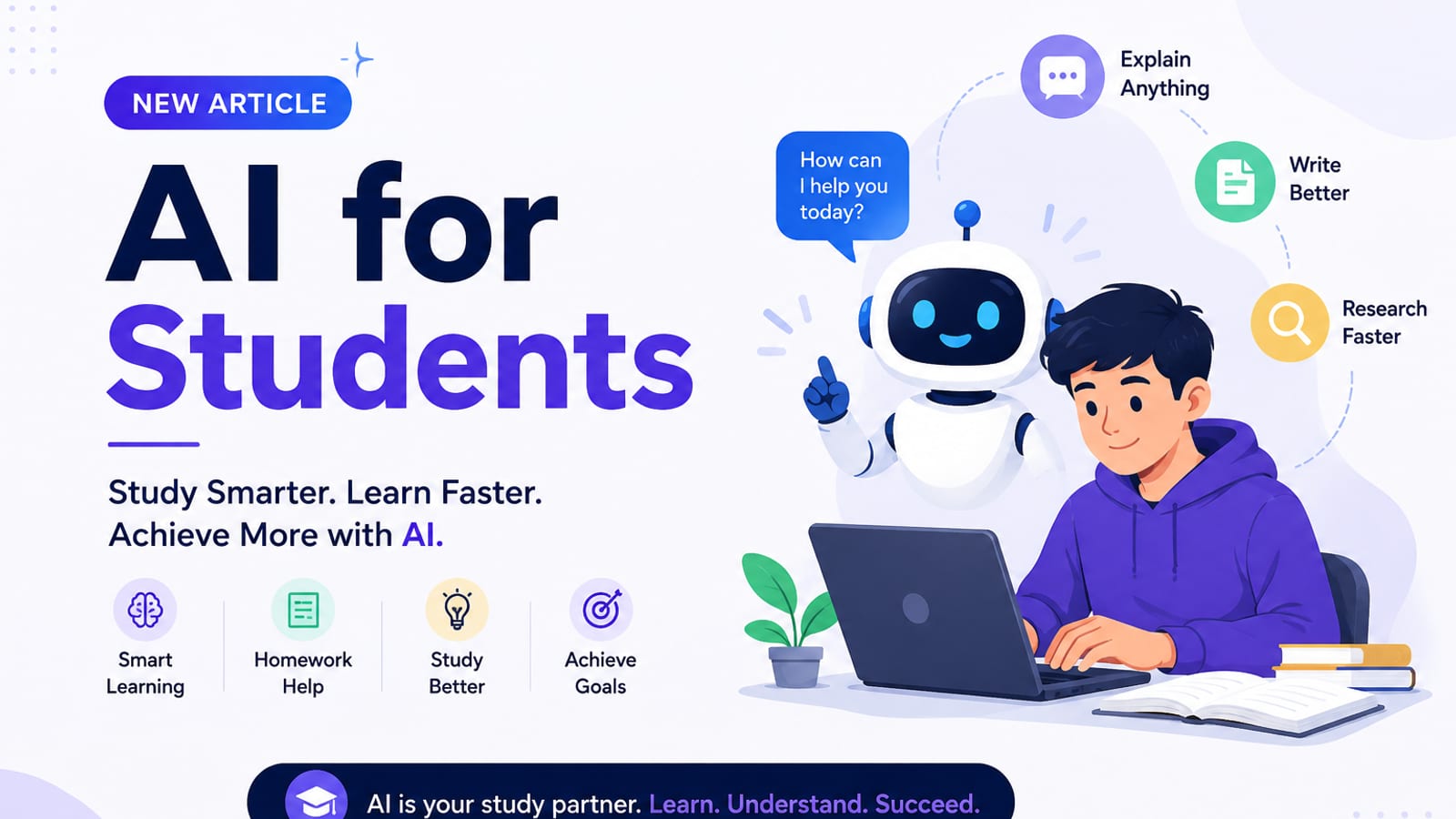
AI for Students: How to Study Smarter with ChatGPT, Claude & Free AI Tools (2026 Guide)
Learn how to use AI for students the right way — study plans, note summaries, essay outlines, exam prep prompts, and academic integrity tips in one practical 2026 guide.
Comparisons
6 min read
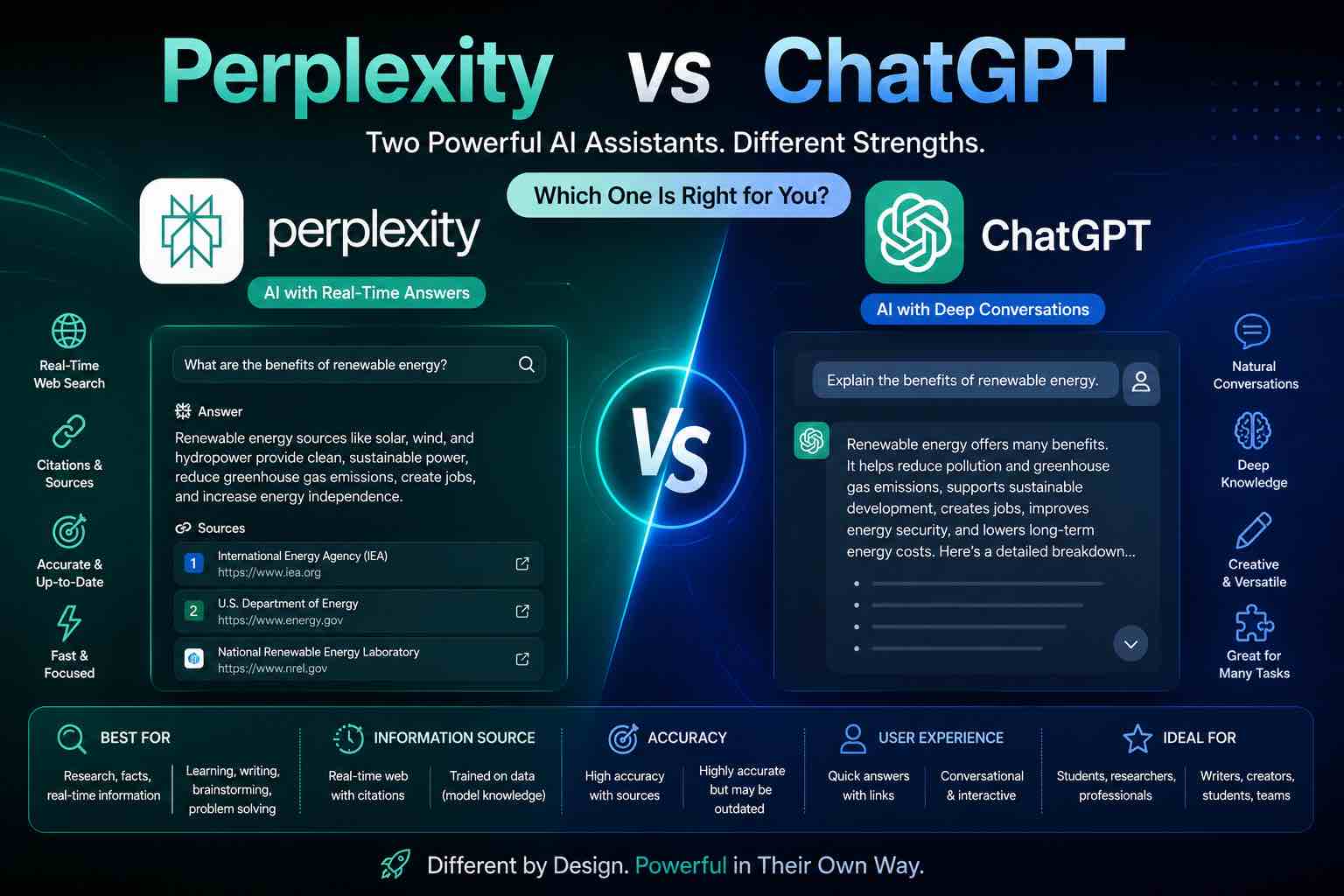
Perplexity vs ChatGPT (2026): Which AI Should You Use?
Perplexity vs ChatGPT compared for research, citations, writing, and everyday work — when to search with sources, when to draft, and which to pick first.
Comparisons
6 min read
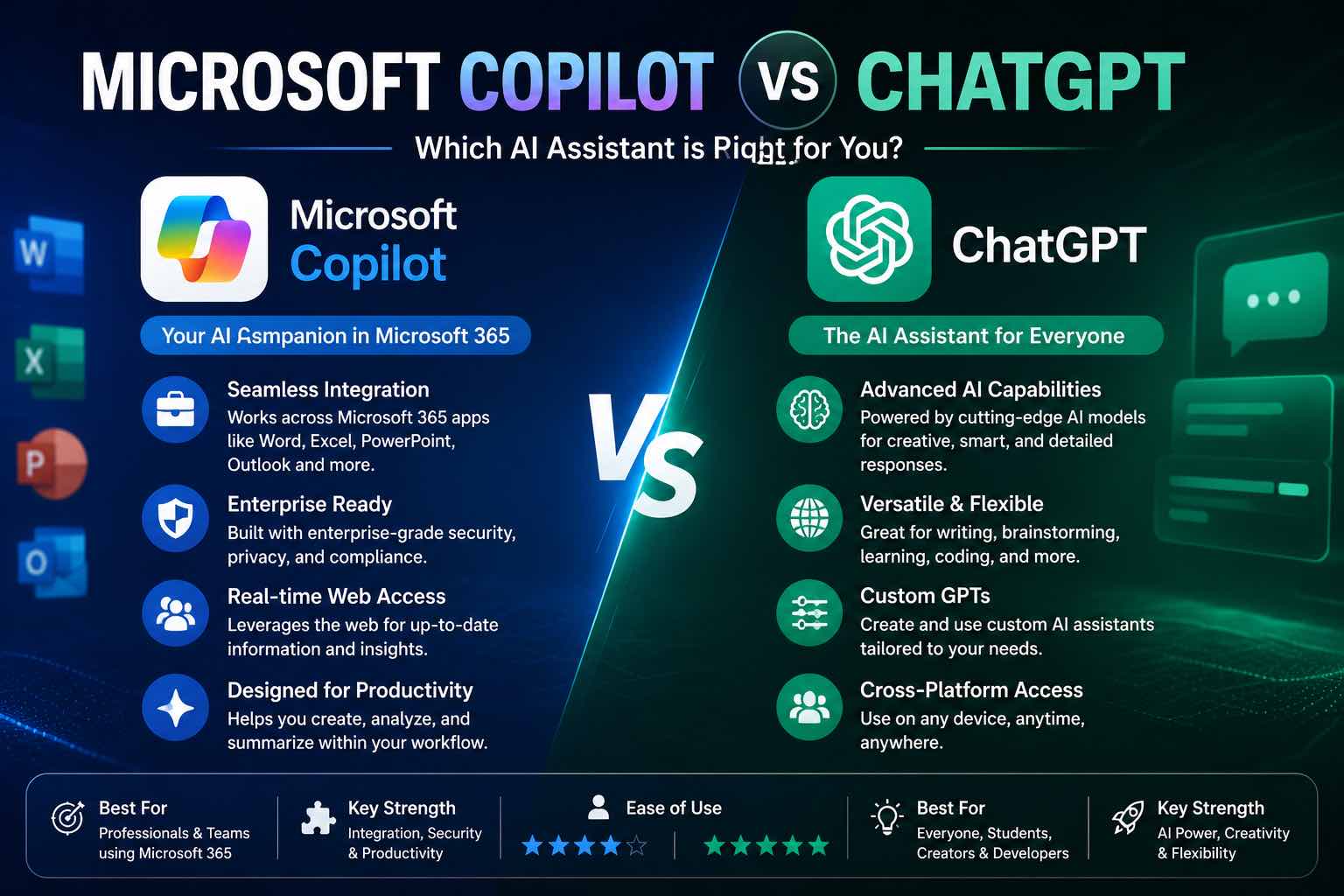
Microsoft Copilot vs ChatGPT (2026): Which Should You Use?
Microsoft Copilot vs ChatGPT compared for work, Office apps, writing, and everyday tasks — strengths, weaknesses, pricing mindset, and which to pick first.
AI Tools
5 min read
The Practical AI Toolkit for Solo Operators (2026)
A clear starter stack of AI tools for creators and solo operators — what to use, what to skip, and how to set it up in one afternoon.

Prompt Craft
4 min read
Prompt Craft Tutorial: Write AI Prompts That Survive Real Work
A step-by-step prompt engineering tutorial with copy-paste templates for drafting, research, critique, and repetitive operations.